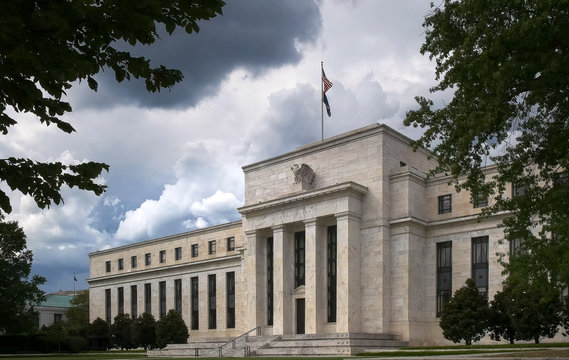





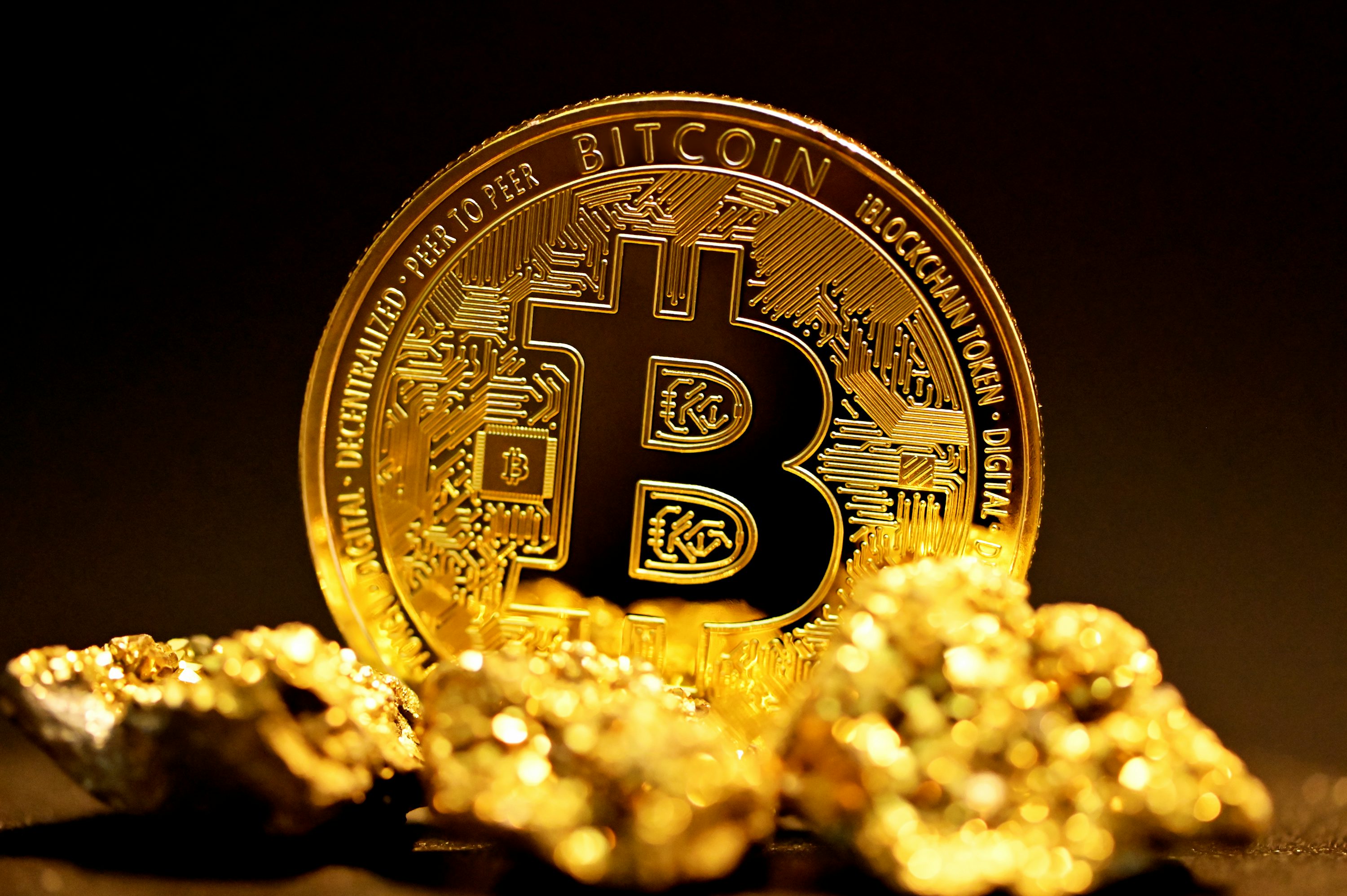
The next decade is unlikely to be tranquil: geopolitical tensions are rising, debt burdens are unsustainable, and trust in the existing monetary system is eroding. In such an environment, neutral, seizure-resistant, and digitally portable assets become uniquely valuable. Bitcoin, with its inelastic supply and now-institutionalized market access, stands positioned to benefit from precisely the forces that make the world more unstable.
A World in Disarray
By most objective yardsticks the world is becoming less peaceful, more fragmented, and more prone to shocks. The Institute for Economics & Peace’s Global Peace Index 2025 documents a continued deterioration in global peacefulness, with precursor indicators to major conflict at levels higher than at any time since World War II. This isn’t a vibe or a narrative; it’s an empirical baseline for the next decade’s risk regime, which is the regime in which portfolios will actually live.
In a world of rising conflict, the financial system becomes a theater of contest as well. The 2022–25 freeze of roughly $300 billion in Russian central‑bank reserves by the EU/G7 was a watershed. It established that state money held in the Western financial core can be frozen and potentially monetized for war‑related purposes; several large Russian banks were also cut off from SWIFT. Whatever one’s politics, the signal to reserve managers and sovereigns was unmistakable: counterparty and jurisdiction risk is real, and it can go “risk‑on” overnight. That is why the episode is consistently cited in dedollarization and “neutral reserve asset” debates. It’s also why the next decade’s demand is likely to prefer assets with low political counterparty risk.
Central Bank Liquidity & Sovereign Debt
What central banks do with their own balance sheets is telling. Since 2022 they’ve been buying record amounts of gold, clocking back‑to‑back years above 1,000 tonnes and repeating the feat in 2024. That three‑year run is the clearest revealed‑preference we have for apolitical stores of value in an era of sanctions and fragmenting blocs. If the official sector is bulking up on a neutral, bearer‑style reserve, the private and institutional sectors taking a hard look at the digital analogue should surprise no one.
A second, slower‑burn force is debt and the policy response to it. The IMF estimates global debt north of 235% of world GDP, with governments’ shares rising. History’s standard playbook in such conditions is to pair low nominal rates with persistent inflation. That implies a decade where savers repeatedly experience negative real returns on safe paper, environmental alpha for hard, inelastic‑supply assets.
Put those macro forces together and you see why the “digital gold” thesis becomes ever more tempting. Bitcoin is natively scarce (21 million cap), bearer‑style, borderless to transmit, and does not sit on any state’s balance sheet. Its supply schedule is also indifferent to war or elections. In a regime of rising demand for neutral assets, it matters that Bitcoin’s supply response is inelastic by design.
Developed and Emerging Market Demand
The demand plumbing has also been rewired. Since January 2024, U.S. spot Bitcoin ETFs have made BTC allocation operationally trivial for pensions, RIAs, and model‑driven multi‑asset mandates. By mid‑September 2025, those ETFs sat near $128 billion in AUM with nearly $50 billion in cumulative net inflows, flows that are largely insensitive to miner issuance and, crucially, compatible with standard portfolio construction and reporting.
BlackRock’s own materials make the point plainly: the ETF wrapper strips out custody and operational burdens that kept many institutions on the sidelines. In any decade characterized by risk episodes, the path‑of‑least‑resistance channel for reallocations matters as much as the narrative itself.
Data from emerging‑market is also directionally supportive of BTC prices. In real crises, households and small firms often move first. Chainalysis’ 2024 adoption index again found very high grassroots crypto usage in large EMs (e.g., India, Nigeria, Indonesia), with stablecoins leading; but historically, Bitcoin participation rises alongside. This is practical, not ideological: when exchange‑rate and bank‑access risk spike, people reach for liquid, 24/7, globally fungible assets they can actually move. The secular trend is visible in stablecoin data with the aggregate stablecoin market cap hit an all‑time high near $278 billion in August 2025, indicating broadening use of crypto rails under real‑world constraints. Those rails are the on‑ramp and liquidity spine for BTC in the next cycle.
Equity Factor Decorrelation
What about correlations? doesn’t Bitcoin sometimes trade like a high‑beta tech stock? Yes, in 2022–23 particularly, BTC’s stock correlation spiked during an aggressive rate‑hike cycle where global liquidity conditions were stressed. But correlations are regime‑dependent: by 2024–25, multiple analyses show the equity correlation thinning out at times while BTC’s co‑movement with gold strengthened as “digital gold” took hold in stress windows. Price action in recent months suggest that BTC can function as a safe haven during geopolitical crash episodes, even when it isn’t one day‑to‑day.
In addition, the decreasing correlation between BTC and equities in 2024 and 2025 versus 2022 to 2023 is consistent with the thesis that BTC price action is reflective of global liquidity conditions rather than outlook on macroeconomic growth. If the 2025–35 tape is punctuated by shocks which occur under strong liquidity conditions, that asymmetric hedge behavior and the capacity for non‑U.S. safe‑haven demand become more, not less, relevant.
The Thesis
None of the above analysis requires believing Bitcoin “replaces” the dollar. It’s enough that, on the margin, households, corporates, funds, and even some sovereigns shift a few precents of wealth into an asset that’s (i) natively scarce, (ii) globally liquid, (iii) bearer‑settled, and (iv) now ETF‑addressable in major markets. In a decade where war risk, sanctions risk, and financial‑repression risk all rise, neutral assets tend to capture optionality premia. Gold has long fit that bill. Bitcoin is the software upgrade to the same idea, with a higher volatility budget but also higher convexity.
Readers who, like myself, come from a trading background, may argue that conviction‑based, thesis‑driven investing on multi‑year horizons is indeed “unfalsifiable” in the short run; unlike higher‑Sharpe trading, you can’t run 500 independent trials in a quarter. But we live our actual lives and make real decisions based on priors and reasoning, about careers, families, and yes, regimes, because the alternative (waiting for perfect data) is just slow‑motion nihilism. The argument is therefore strong, for many allocators, towards a structural tilt where Bitcoin earns a dedicated sleeve that’s rebalanced rather than round‑tripped by emotion.
There are, of course, real risks. Policy whiplash can raise headline risk; spot‑market microstructure can amplify drawdowns; mining economics can get stressed under energy‑price spikes; and crypto-equity correlation can snap back during systemic panics. None of that contradicts the decadal case that in a more conflict‑prone, financially repressed, jurisdiction‑risky world, portable neutral stores of value accrete share. Bitcoin’s strongest fundamental, inelastic supply, meets a world whose biggest change variable is demand. On that axis, the past two years’ institutional plumbing (spot ETFs, custody, accounting clarity), the official sector’s revealed preference for neutral reserves (gold), and the diffusion of crypto rails in EMs are all one‑way doors.
So the clean, logically thesis is this: a decade of greater conflict and disarray raises the premium on neutral, seizure‑resistant, globally transferable assets; policy responses to debt loads raise the premium on inelastic supply; and the market’s plumbing upgrades make it easier than ever for large, slow‑moving pools of capital to express that preference. Put differently: the macro tailwinds (fragmentation + repression) and the micro tailwinds (ETFs + rails) are finally aligned. That alignment doesn’t guarantee a straight line, but it does make a secular Bitcoin bull market a rational base case rather than a speculative hope.
Disclaimer
The information provided on TheLogbook (the “Substack”) is strictly for informational and educational purposes only and should not be considered as investment or financial advice. The author is not a licensed financial advisor or tax professional and is not offering any professional services through this Substack. Investing in financial markets involves substantial risk, including possible loss of principal. Past performance is not indicative of future results. The author makes no representations or warranties about the completeness, accuracy, reliability, suitability, or availability of the information provided.
This Substack may contain links to external websites not affiliated with the author, and the accuracy of information on these sites is not guaranteed. Nothing contained in this Substack constitutes a solicitation, recommendation, endorsement, or offer to buy or sell any securities or other financial instruments. Always seek the advice of a qualified financial advisor before making any investment decisions.